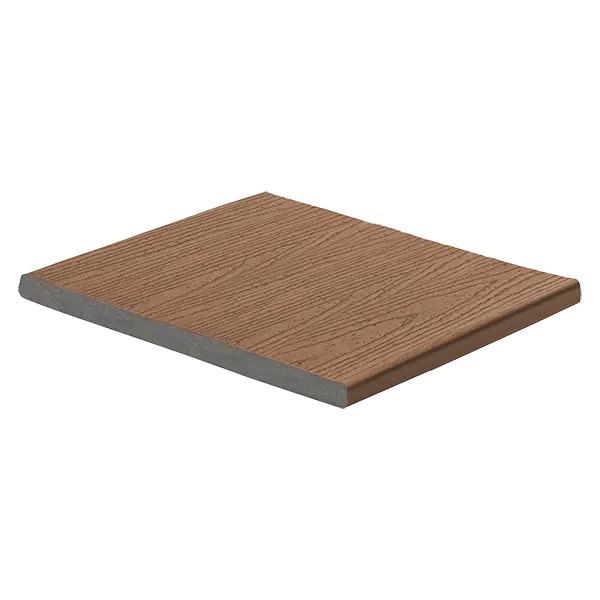
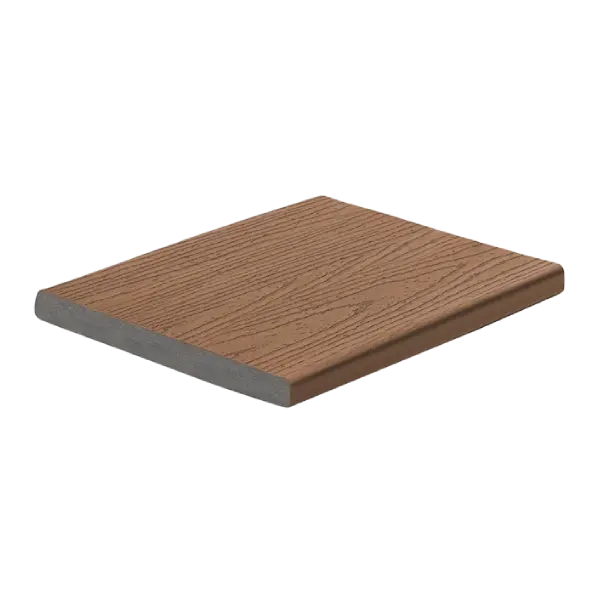
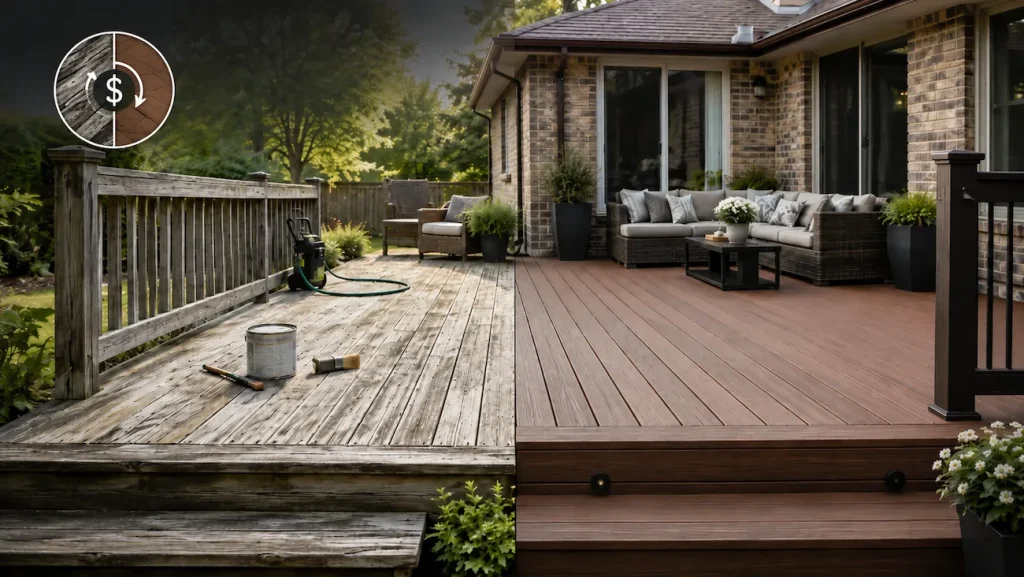
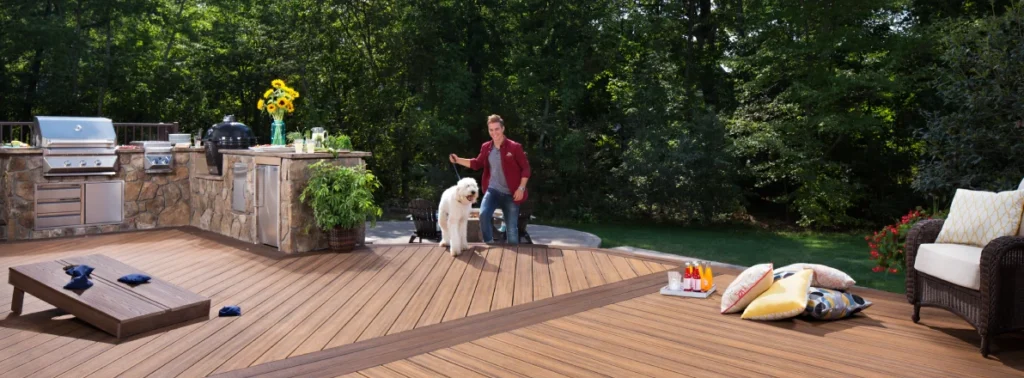
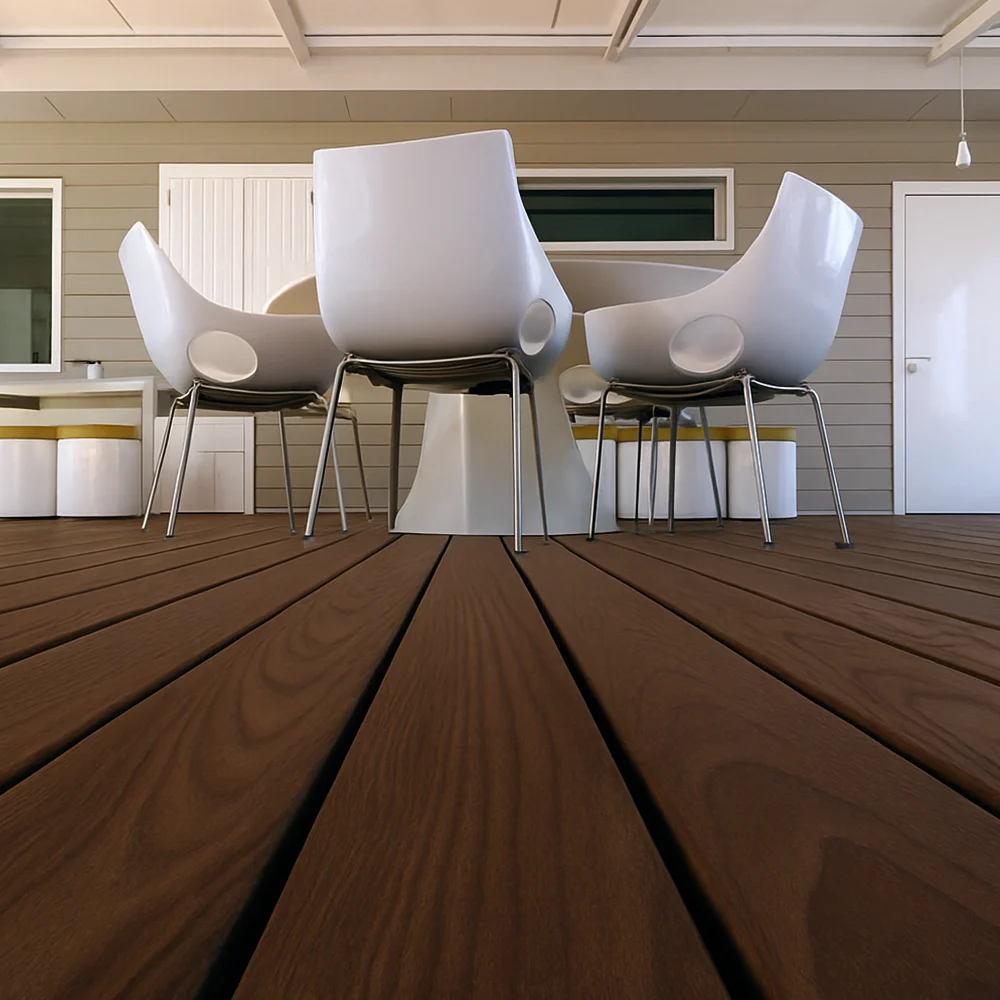
Composite and PVC decking are both low-maintenance alternatives to wood, but they are not the same material.
Composite decking contains wood or plant fibres combined with polymers. PVC decking is fully synthetic and generally contains no wood fibre. This difference affects how the boards feel, respond to moisture and perform in different outdoor environments.
The best choice depends on where the deck will be installed, how it will be used and what type of appearance you prefer.
What Is Composite Decking?
Composite decking is typically made from a mixture of wood fibres and plastic. Most current products also have a protective polymer cap that helps resist moisture, staining, fading and surface wear.
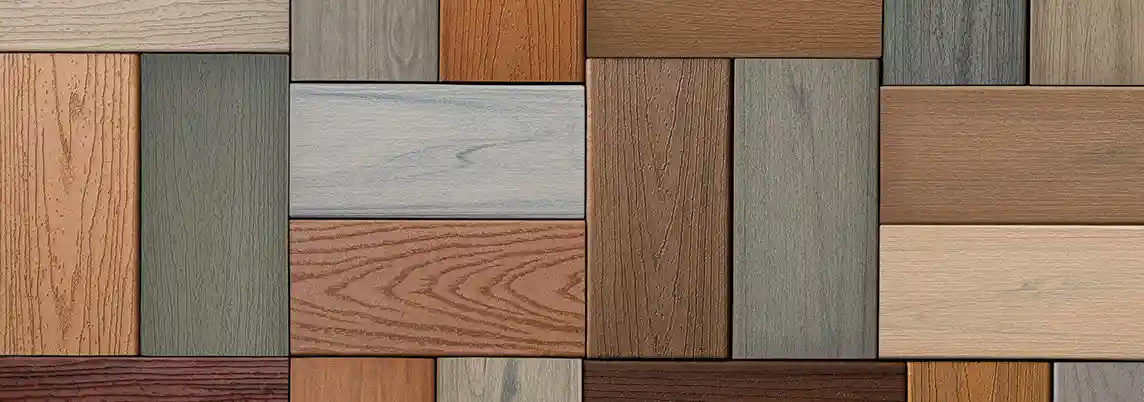
Composite boards often have a dense feel and are available in a wide range of colours, wood-grain patterns and price levels. They are commonly used for backyard decks, stairs and general outdoor living areas.
Learn more in National Decking’s composite decking guide.
What Is PVC Decking?
PVC decking is manufactured without wood fibre. Because the material contains no organic wood content, it provides very high resistance to moisture and decay.
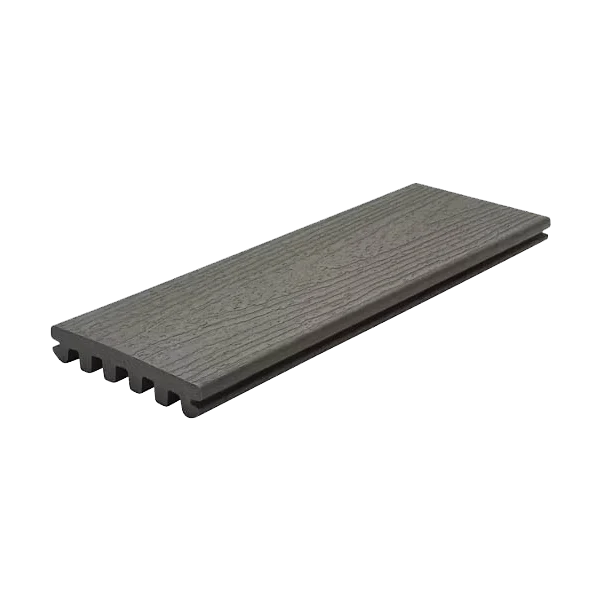
PVC boards may use solid, cellular or engineered hollow-core construction. The profile alone does not determine the board’s strength. Material formulation, internal reinforcement, joist spacing and installation requirements are also important.
PVC decking is often considered for pool areas, humid locations and decks that receive frequent moisture exposure.
Composite vs PVC Decking Comparison
| Feature | Composite Decking | PVC Decking |
|---|---|---|
| Main material | Wood or plant fibre mixed with polymers | Fully synthetic PVC |
| Wood content | Usually contains wood fibre | No wood fibre |
| Moisture resistance | Very good, particularly when capped | Excellent |
| Appearance | Dense, wood-inspired appearance | Wood-inspired or modern finishes |
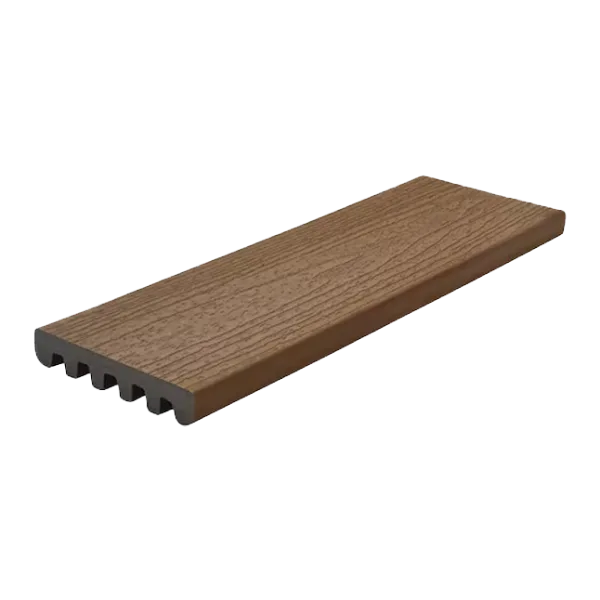
| Board profiles | Solid or scalloped | Solid, cellular or hollow-core |
| Maintenance | Cleaning without routine staining | Cleaning without routine staining |
| Common applications | Backyard decks, stairs and outdoor living spaces | Pools, humid areas and moisture-exposed decks |
Actual performance varies by brand and collection. A premium capped composite board may outperform a basic PVC product in some areas, so the material name should not be the only deciding factor.
When Should You Choose Composite Decking?
Composite decking may be the better option when you want:
- A dense, substantial feel underfoot
- A broad selection of colours and price levels
- A traditional wood-inspired appearance
- Low maintenance without moving to a fully synthetic board
- Decking for a typical backyard or outdoor living space
Composite decking still expands and contracts as temperatures change. It must be installed with the correct joist spacing, board gaps and compatible fasteners.
When Should You Choose PVC Decking?
PVC decking may be more suitable when you want:
- A board containing no wood fibre
- Maximum resistance to moisture and decay
- Decking around a pool or frequently wet area
- A solid, cellular or engineered hollow-core profile
- Low maintenance without staining or sealing
PVC is not automatically cooler, stronger or more scratch-resistant than every composite board. Those qualities vary between collections, colours, cap materials and board designs. Even products promoted as cooler decking can become hot in direct sunlight.
Which Decking Material Lasts Longer?
Both composite and PVC decking can provide decades of service when they are correctly installed and maintained.
Lifespan depends on the board quality, cap construction, framing, ventilation, drainage and exposure—not simply whether the board is labelled composite or PVC.
Compare the complete warranty carefully, including structural coverage, stain and fade protection, exclusions and installation requirements.
Composite or PVC: Which Should You Buy?
Neither material is better for every deck.
Choose composite when you prefer a dense, wood-inspired board with a wide variety of collections and price positions.
Choose PVC when moisture resistance and a wood-free board construction are the main priorities.
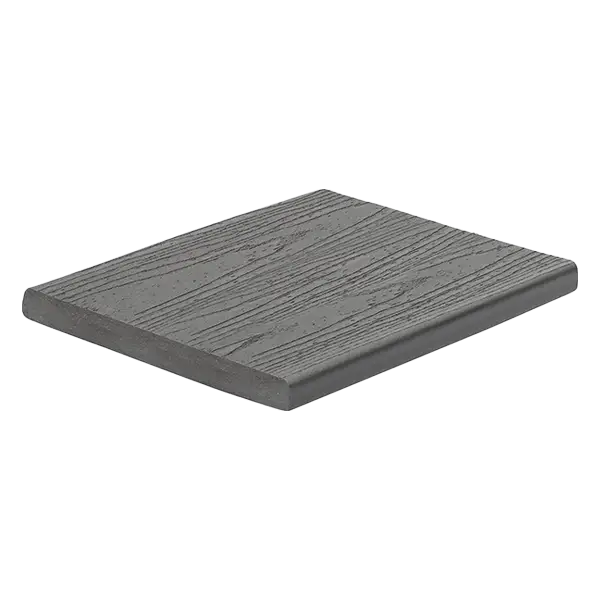
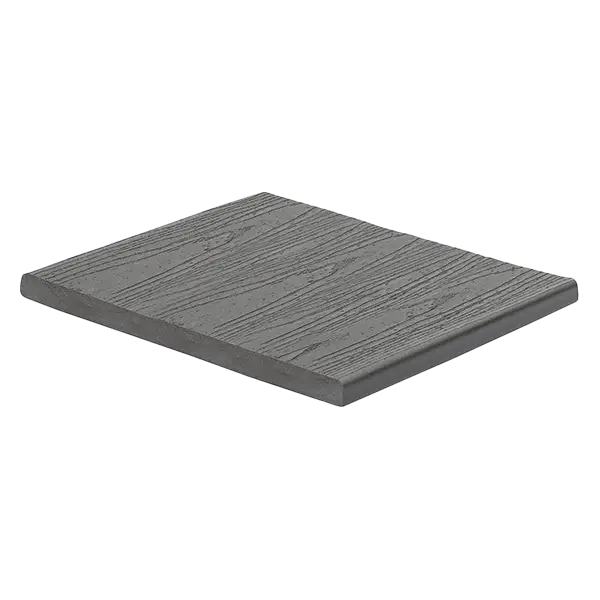
Before deciding, compare physical samples outdoors. Look at each colour in sunlight and shade, and confirm that matching grooved boards, square-edge boards, fascia and stair profiles are available.
National Decking supplies composite and PVC decking from Woodbridge, Trex, TimberTech, Fiberon, TruNorth, Clubhouse, Zuri and other manufacturers. Browse available composite and PVC deck boards or visit a National Decking showroom to compare materials in person.