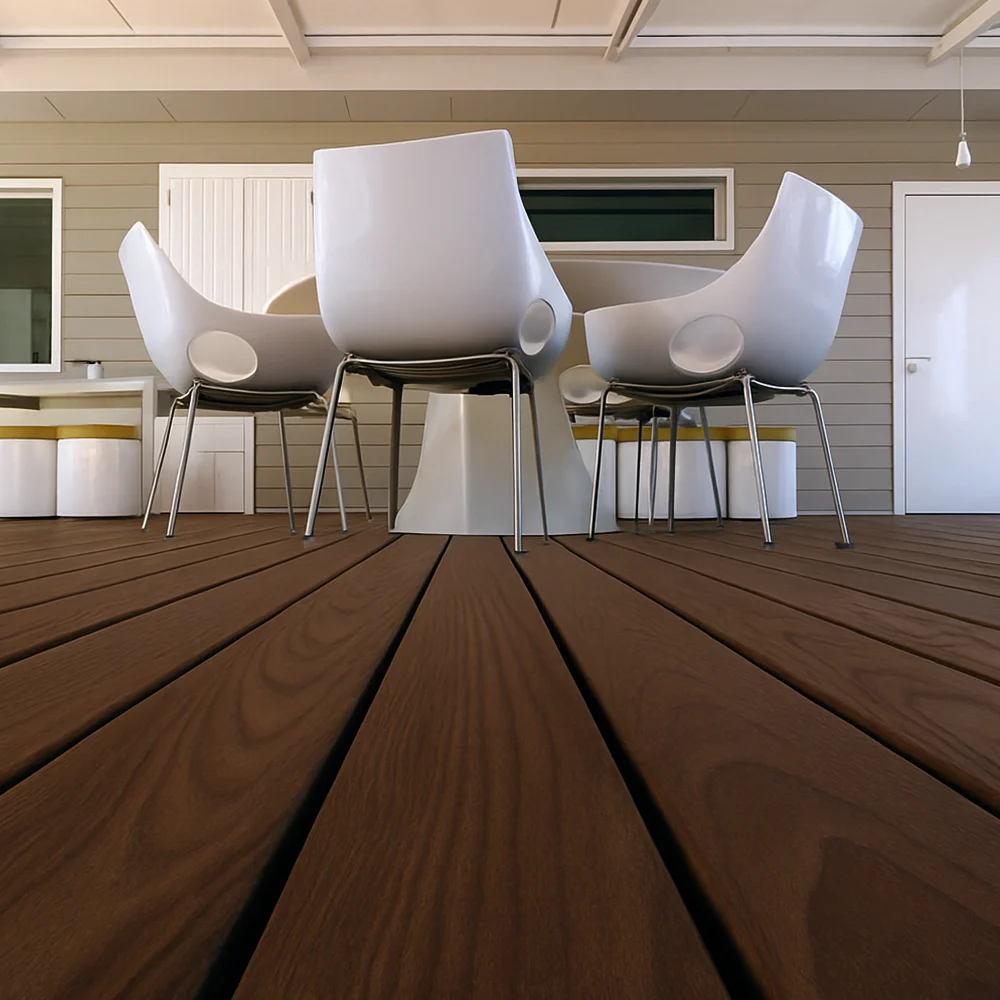
What Is Composite Decking? Materials, Benefits and Types
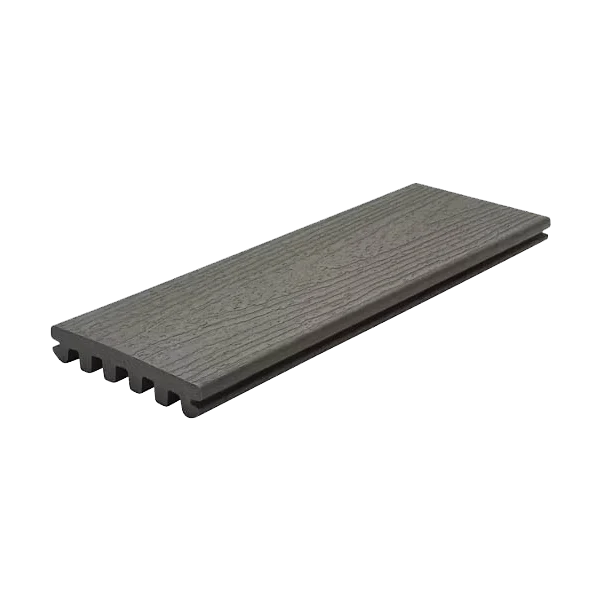
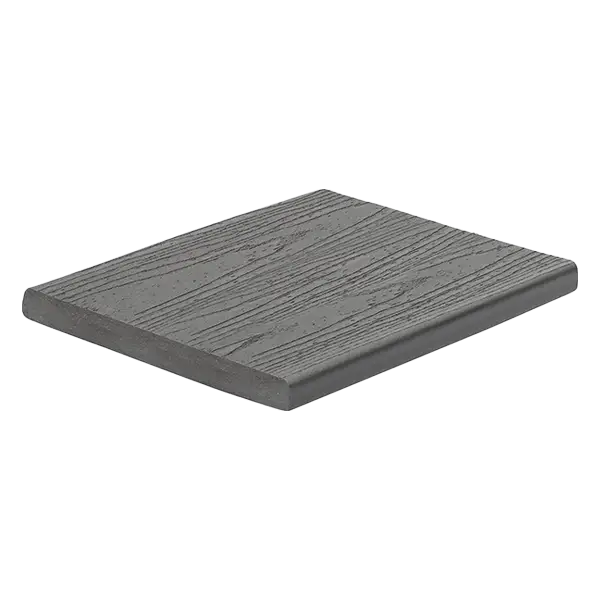
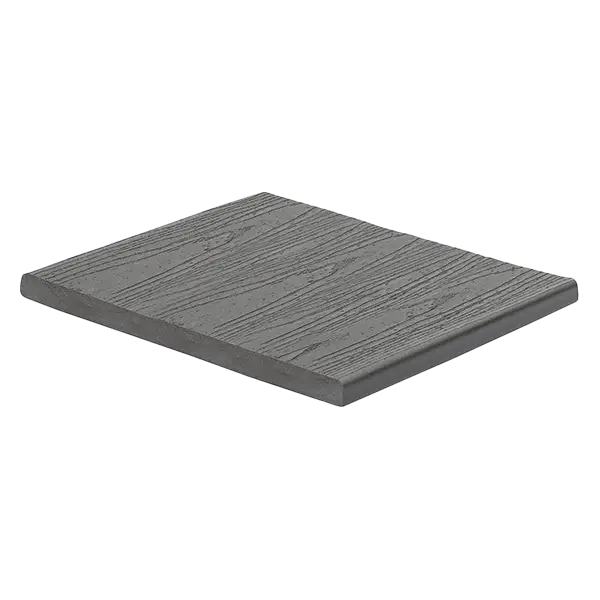
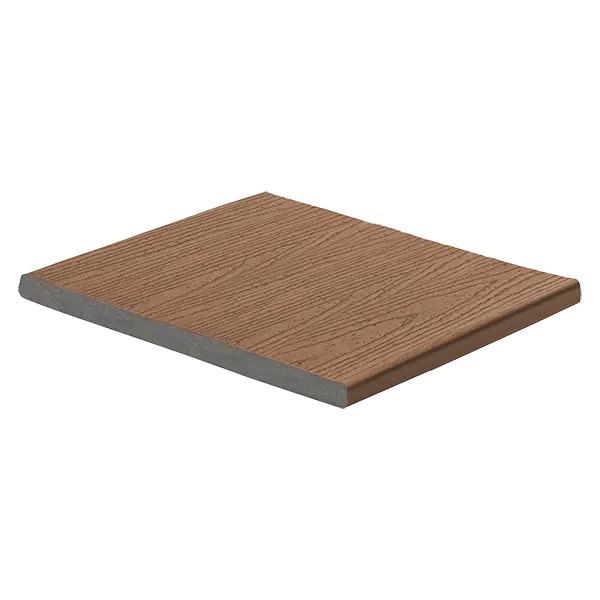
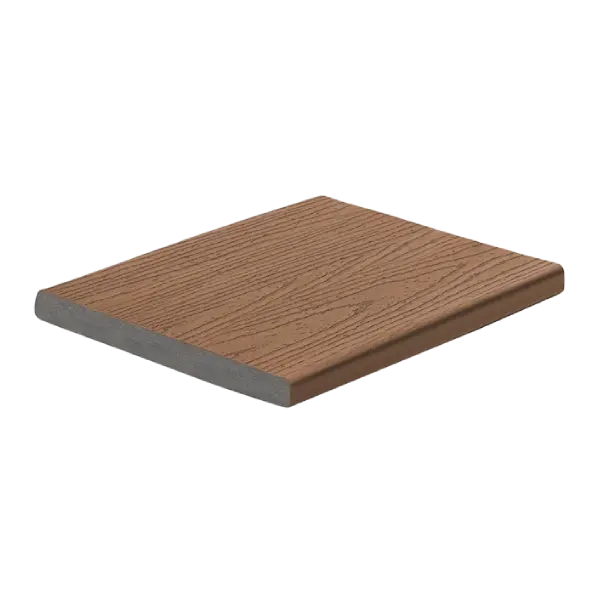
Composite decking is a manufactured deck-board material designed to provide the appearance of wood with less routine maintenance.
Most traditional composite boards are made by combining wood fibres or another plant-based material with polymers, pigments and performance additives. The ingredients are heated and formed into consistent deck boards, usually through extrusion.
For homeowners, the main appeal is simple: composite decking does not normally require the regular sanding, staining or sealing associated with a wood deck.
It is still an outdoor surface and requires cleaning, correct installation and reasonable care. However, it can reduce the amount of seasonal work needed to keep a deck looking finished.
Explore available materials, brands and price levels in National Decking’s composite decking guide.
What Is Composite Decking Made Of?
Traditional wood-plastic composite decking usually contains:
- Wood flour, reclaimed sawdust or wood fibres
- A thermoplastic polymer, commonly polyethylene
- Colour pigments
- Bonding and processing additives
- UV and weathering stabilizers
Some manufacturers use other plant-based materials instead of wood. The precise formula, recycled content and manufacturing process differ between brands and collections.
The organic material gives the board body and stiffness, while the polymer binds the ingredients together and helps reduce the moisture sensitivity associated with natural lumber.
Read how composite decking is made for a more detailed explanation of the manufacturing process.
What Is Capped Composite Decking?
Many current composite deck boards have a protective polymer cap bonded to the composite core.
The cap creates the finished colour and wood-grain surface while helping the board resist staining, fading, moisture exposure and everyday wear. Depending on the collection, it may cover three sides, four sides or the grooves as well.
A cap does not make decking impossible to scratch, stain or damage. Leaves, pollen, food residue and dirt should still be removed before they build up on the surface.
Is Composite Decking the Same as PVC Decking?
Composite and PVC decking are not the same material.
Composite decking generally contains wood fibre or another organic filler mixed with polymers. PVC decking is generally made from an engineered polymer formulation without wood fibre.
| Composite Decking | PVC Decking |
|---|---|
| Contains wood or plant-based filler | Generally contains no wood fibre |
| Available in solid or scalloped profiles | Available in solid, cellular or hollow profiles |
| Offers a dense, wood-inspired appearance | Provides very high moisture resistance |
| Requires no routine staining or sealing | Requires no routine staining or sealing |
Neither option is automatically better. The right material depends on the location, budget, board construction, appearance and installation requirements.
What Are the Benefits of Composite Decking?
Less routine maintenance
Composite decking does not normally need sanding, staining, painting or sealing. Routine care usually involves removing debris and washing the boards with an approved cleaner or soap and water.
Always follow the cleaning guide for the exact brand. Pressure-washing limits and approved cleaners vary between manufacturers.
No wood splinters
Composite deck boards do not splinter in the same way as natural lumber. This can make the surface more comfortable for barefoot use around backyard seating and outdoor living areas.
Consistent colours and finishes
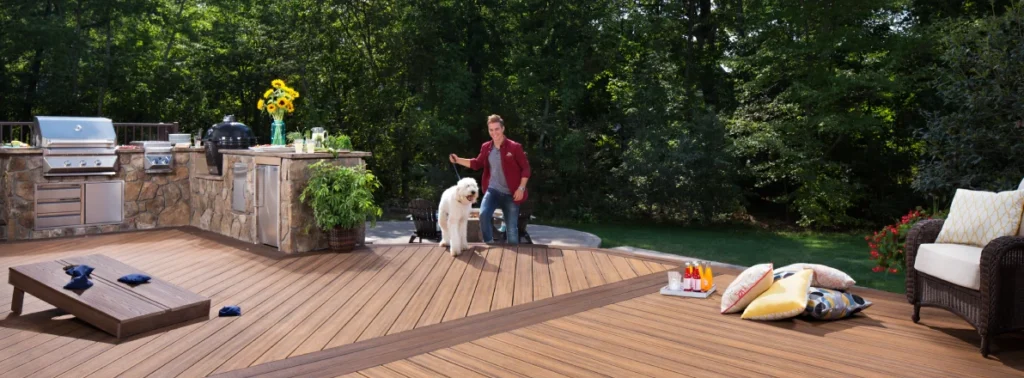
Composite decking is available in controlled colours and wood-grain patterns. Options range from simple single-tone boards to multi-tonal finishes designed to resemble hardwood.
Samples should be viewed outside because direct sunlight, shade and surrounding materials can change how a colour appears.
Resistance to common wood problems
Composite decking is designed to resist rot, insects and moisture-related deterioration better than natural wood. Capped boards also provide additional protection at the surface.
The deck framing underneath still needs proper drainage, airflow and structural protection.
Multi-decade warranties
Many composite decking collections include limited product, fade or stain warranties lasting several decades. Coverage varies considerably, so compare the actual terms rather than looking only at the number of warranty years.
What Are the Disadvantages?
Composite decking usually costs more upfront than pressure-treated wood.
It can also become hot in direct sunlight, especially in darker colours. No decking surface is completely scratch-proof, and wet leaves, ice or surface buildup can make an outdoor deck slippery.
Composite boards also expand and contract with temperature changes. Correct joist spacing, board gaps, ventilation and compatible fasteners are therefore important.
These are not necessarily reasons to avoid composite decking. They are reasons to compare products carefully and follow the manufacturer’s installation instructions.
Composite Decking Versus Wood
Wood generally has a lower initial material cost and offers the appearance of a natural material. It can also be sanded and refinished.
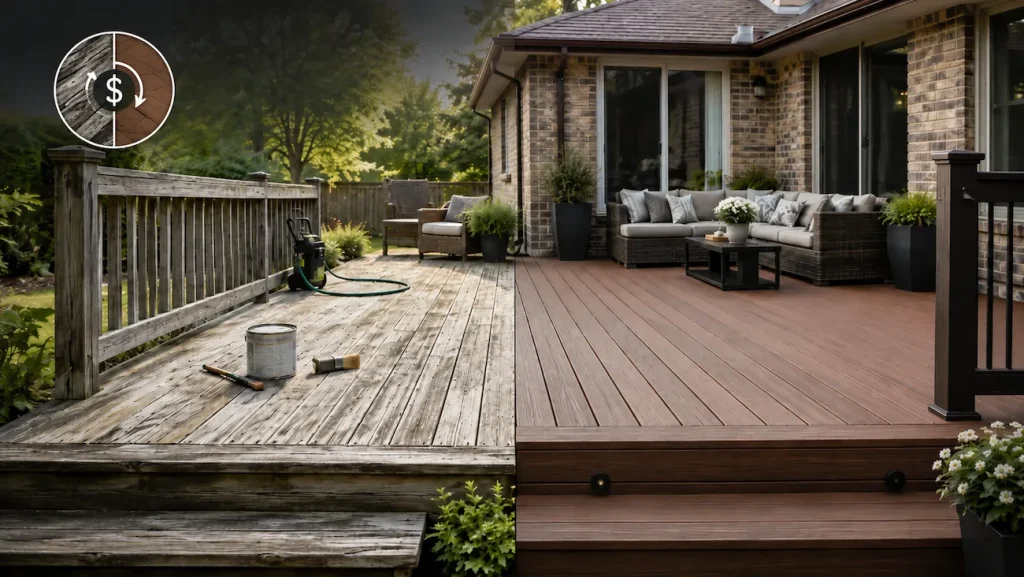
The trade-off is maintenance. A wood deck may require cleaning, staining, sealing and occasional board replacement as it ages.
Composite decking usually costs more at the beginning but requires less refinishing over time. It is commonly chosen by homeowners who value consistent colour, reduced maintenance and protection against splintering and decay.
Read the complete composite decking versus wood cost comparison.
How Do You Choose Composite Decking?
Do not choose a deck board by colour alone. Consider:
- Whether the deck receives full sun or shade
- The board’s composite or PVC construction
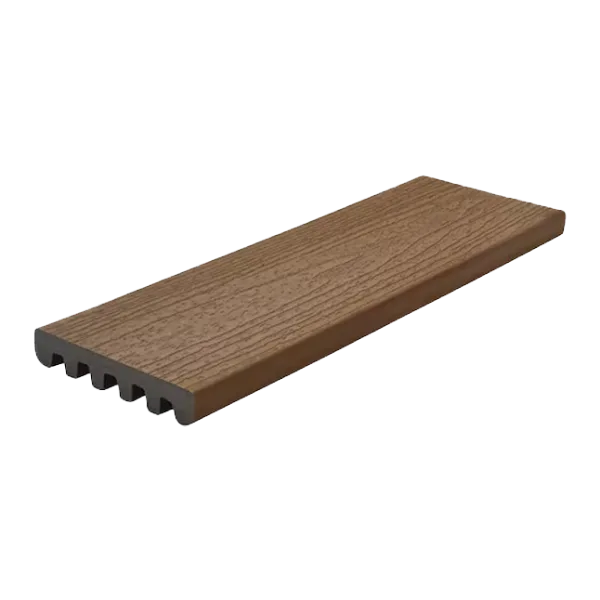
- Solid, scalloped or hollow profile
- Required joist spacing
- Grooved or square-edge boards
- Available fascia and stair boards
- Compatible hidden fasteners
- Warranty coverage
- Current stock and replacement availability
- Total project budget
A physical sample is one of the most useful comparison tools. View it beside the home’s siding, brick, stone and railing in both sunlight and shade.
Is Composite Decking Worth It?
Composite decking can be a practical choice for homeowners who expect to use their deck for many years and want to reduce staining, sanding and sealing.
It may not be the right choice when the lowest initial cost is the main priority or when the changing appearance of natural wood is preferred.
The best product is not necessarily the most expensive board. It is the board that fits the deck design, exposure, maintenance expectations and budget.
Compare Composite Decking in Ontario
National Decking supplies composite and PVC decking from Woodbridge, Trex, TimberTech, Fiberon, TruNorth, Clubhouse, Zuri and other manufacturers.
Homeowners, contractors and designers can compare colours, textures, board profiles, fastening systems and warranties at National Decking locations in Mississauga, Richmond Hill and Hamilton.
You can also browse current composite decking boards by brand, collection, material, profile and length.
Frequently Asked Questions
Does composite decking contain real wood?
Most traditional composite decking contains wood flour, sawdust or reclaimed wood fibre. Some products use another plant-based filler. PVC decking generally contains no wood fibre.
Does composite decking need to be sealed?
Composite decking does not normally require routine staining or sealing. It still needs periodic cleaning according to the manufacturer’s care instructions.
Does composite decking scratch?
Composite decking can be scratched. Scratch resistance varies by collection, surface design and cap construction. Furniture pads can help protect the boards.
Does composite decking become hot?
Yes. Composite, PVC and wood decking can all become hot in direct sunlight. Darker colours generally feel hotter than lighter colours.
How long does composite decking last?
There is no single lifespan for every composite product. Performance depends on the board, installation, exposure and maintenance. Many current products carry limited residential warranties lasting several decades.